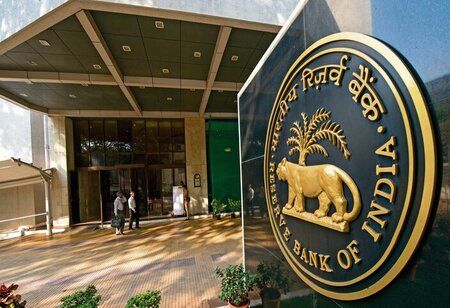
The Reserve Bank of India (RBI) has requested that commercial banks provide data on how proposed changes to liquidity coverage ratio (LCR) norms may affect them, in response to lender concerns about stricter regulations.
Draft norms under review
The draft norms, which will be finalized following a review by Governor Sanjay Malhotra, who succeeded Shaktikanta Das on December 9, are expected to take effect on April 1. These rules will require banks to hold a greater proportion of high-quality liquid assets (HQLAs), potentially limiting their lending capacity. HQLAs are typically used to manage unexpected liquidity demands during disruptions, according to the report.
The proposed regulations seek to address risks associated with large online withdrawals, prompted by incidents such as Silicon Valley Bank's collapse in 2023. Banks have previously expressed concerns to the finance ministry, stating that the new norms may limit their ability to provide credit.
Evaluation of the impact on system liquidity
According to the report, the RBI has requested that large commercial banks submit assessments of the impact of the new LCR norms versus the current framework.
The exercise is likely to assess the impact of the proposed norms on system-wide liquidity.
Significant investment in government securities
According to estimates, if the enhanced LCR norms are implemented without revisions, banks will need to purchase Rs 4-6 trillion in government securities to comply. The draft proposes a higher "run-off" factor to reduce the risks of deposit withdrawals during a crisis.
The run-off factor is the percentage of deposits that could be withdrawn during a stress scenario. LCR requires banks to keep enough HQLAs, primarily government securities, to cover a hypothetical 30-day liquidity crunch.
Currently, only government securities are classified as HQLAs, as the RBI has consistently rejected proposals to include the cash reserve ratio (CRR) as such assets. The CRR, which requires banks to set aside a percentage of their deposits, is currently at 4%, according to the report.
According to the report, a senior treasury executive at a major bank stated that this effectively means that Rs 4-6 trillion will be diverted away from lending to businesses and individuals and into government bonds.
Proposed changes
The RBI's draft guidelines, released in July, suggest an additional 5% run-off factor for retail deposits accessible via internet and mobile banking (IMB). The run-off factor for stable and less stable IMB-enabled deposits would be increased to 10% and 15%, respectively, from the current 5% and 10%, according to the report.
Industry concerns
Banks have urged the finance ministry to relax or defer the guidelines, citing the potential negative impact on credit growth. Economists have noted that current economic conditions, which include low growth, tight liquidity (an average deficit of Rs 1.75 trillion), and a 3% rupee depreciation since November, are significantly different from when the draft rules were proposed.
According to the report, a private bank treasury head stated that LCR norms are designed with the long-term goal of ensuring systemic stability and should not be influenced by cyclical conditions like tight liquidity or slow growth.
A senior economist at a foreign bank warned that implementing the guidelines in their current form could cause a "major negative shock" to the banking system. Further comments on the subject are expected during the RBI's monetary policy announcement on February 7, according to the report.